
Our Story – Cabinetmakers since 1924
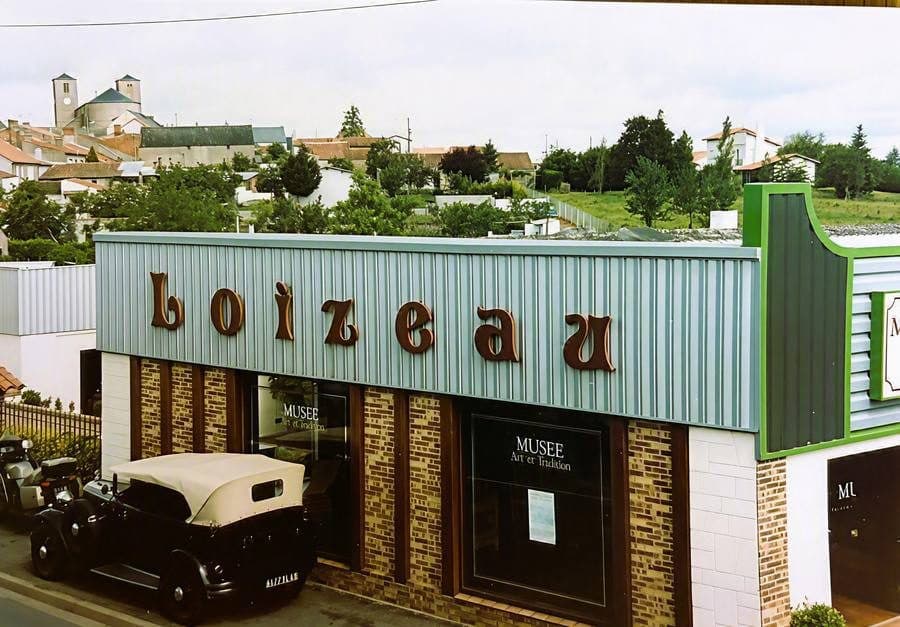
The birth of a workshop in La Romagne
It all began in the early twenties, shortly after the great turmoil of 1914-18. La Romagne is an old market town in the Choletais, on the road from Cholet to Saint-Jean-de-Monts — an almost thousand-year-old village whose traces go back to 1100.
It was nearby, in La Verrie, that Gaston Loizeau was born along with the brand-new century. After the Great War, he went to Reims to work in that devastated region. Back home, he seized the chance to set up on his own. It was 1924 and there was no shortage of work — he was among the first to start out in a region that would become a benchmark for furniture making in France.
So it was at number 44 rue Nationale that he opened his first workshop. Amid the shavings flying under his plane, in the scent of fresh timber, Gaston the joiner built wardrobes, chests, beds and sideboards — wide and deep, so they could easily hold the clean linen fragrant with scented washing.
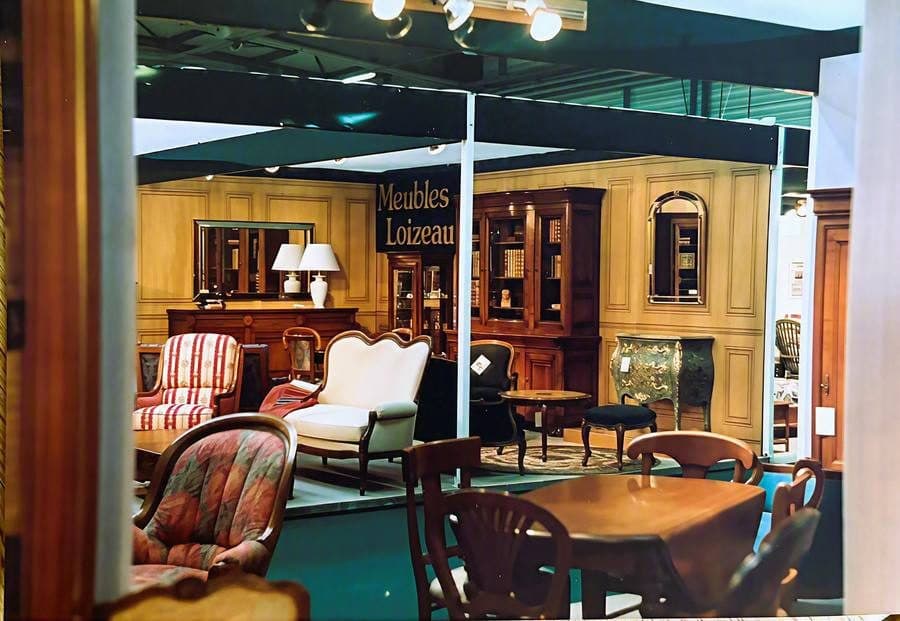
First machines and the workshop's rise
In the early years of his business, Gaston Loizeau worked for local people. With the help of one workman, he furnished newlyweds' homes, but his reputation soon spread beyond the town. The small workshop at number 44 rue Nationale quickly became too cramped — sometimes the trestles were set out and furniture assembled right on the pavement.
Impressed by the craftsman's skill, customers began asking for furniture in ever more precise and elaborate styles. In 1927, the Loizeau workshop acquired its first mechanical machines, significantly increasing both output and quality.
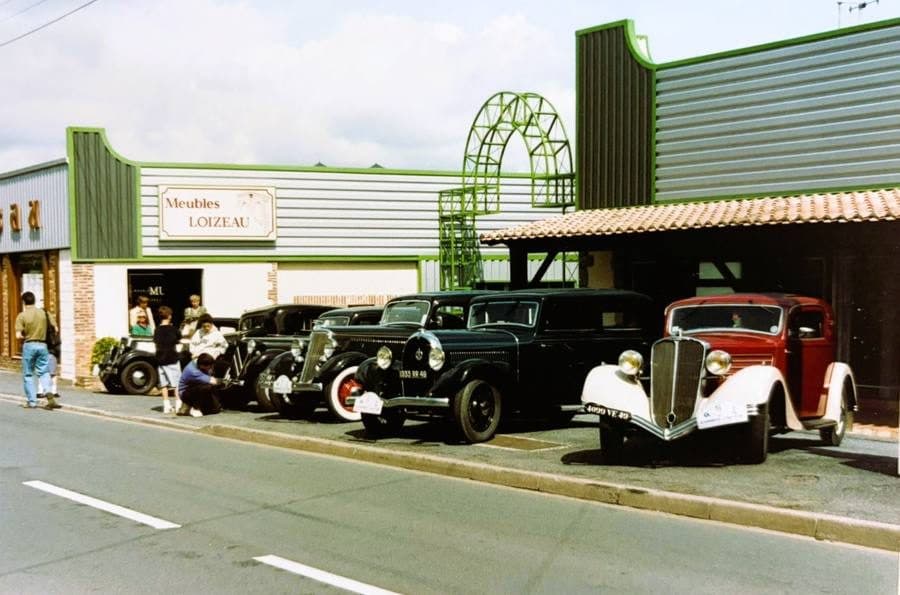
The post-war years and the showroom
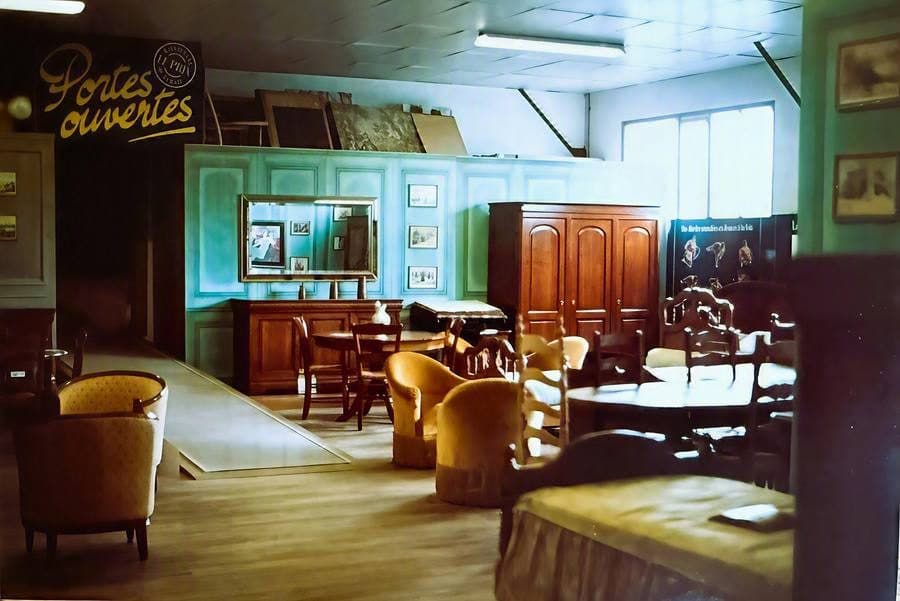
As the Second World War came to an end, work poured in and Gaston Loizeau decided to build more modern, functional premises at 44 rue Nationale. His two sons Gaston and Bernard were already old enough to work and, with two other employees, the pace of production grew, allowing the creation of a showroom.
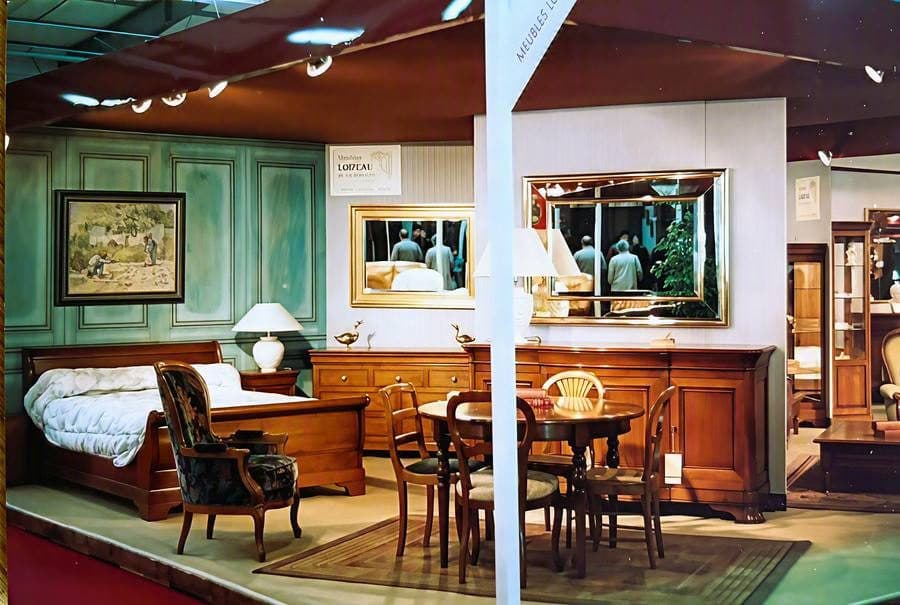
The Nantes Fair and regional reach
From 1949, Meubles Loizeau took part in the Cholet Trade Fair, then from 1953 in the Nantes Fair, expanding its clientele well beyond the immediate surroundings of La Romagne. The company took on a regional dimension that would never stop growing.
This growth led to the hiring of eight cabinetmakers who put their skills to the service of customers' demands. It was the golden age of furniture — a unique piece in a warm home, often tied to a family event, with heirloom value.
The family takes over — the golden age
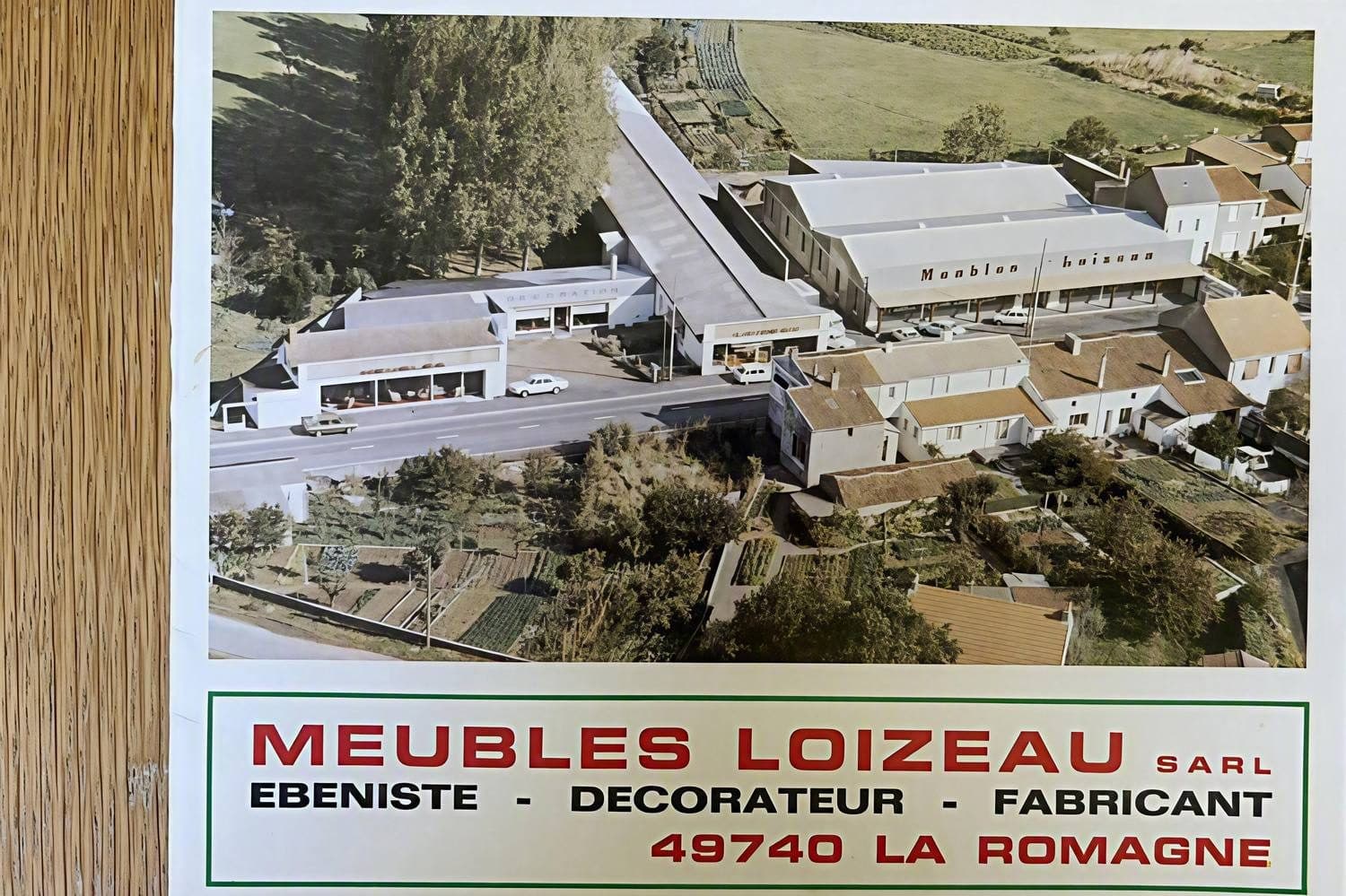
Founder Gaston Loizeau took a well-earned retirement in 1968. His children Angèle, Gaston and Bernard succeeded him, turning the business into a limited company. They carried out the changes that brought the premises to 5,000 m² under roof (including 1,500 m² of showroom).
Increasingly, the business turned toward fine-quality furniture. In 1973, Yannick, Bernard's son, joined the workshop — the third generation of Loizeaus. He took over management in 1990. “Meubles Loizeau” became the trading name.
Adapting, bespoke and renewal
The 1990s and 2000s brought great upheaval. The furniture market shifted — new trends, international distributors, fierce price competition. Meubles Loizeau held a clear course: furniture is a unique piece in a warm home where people love to gather with friends and family.
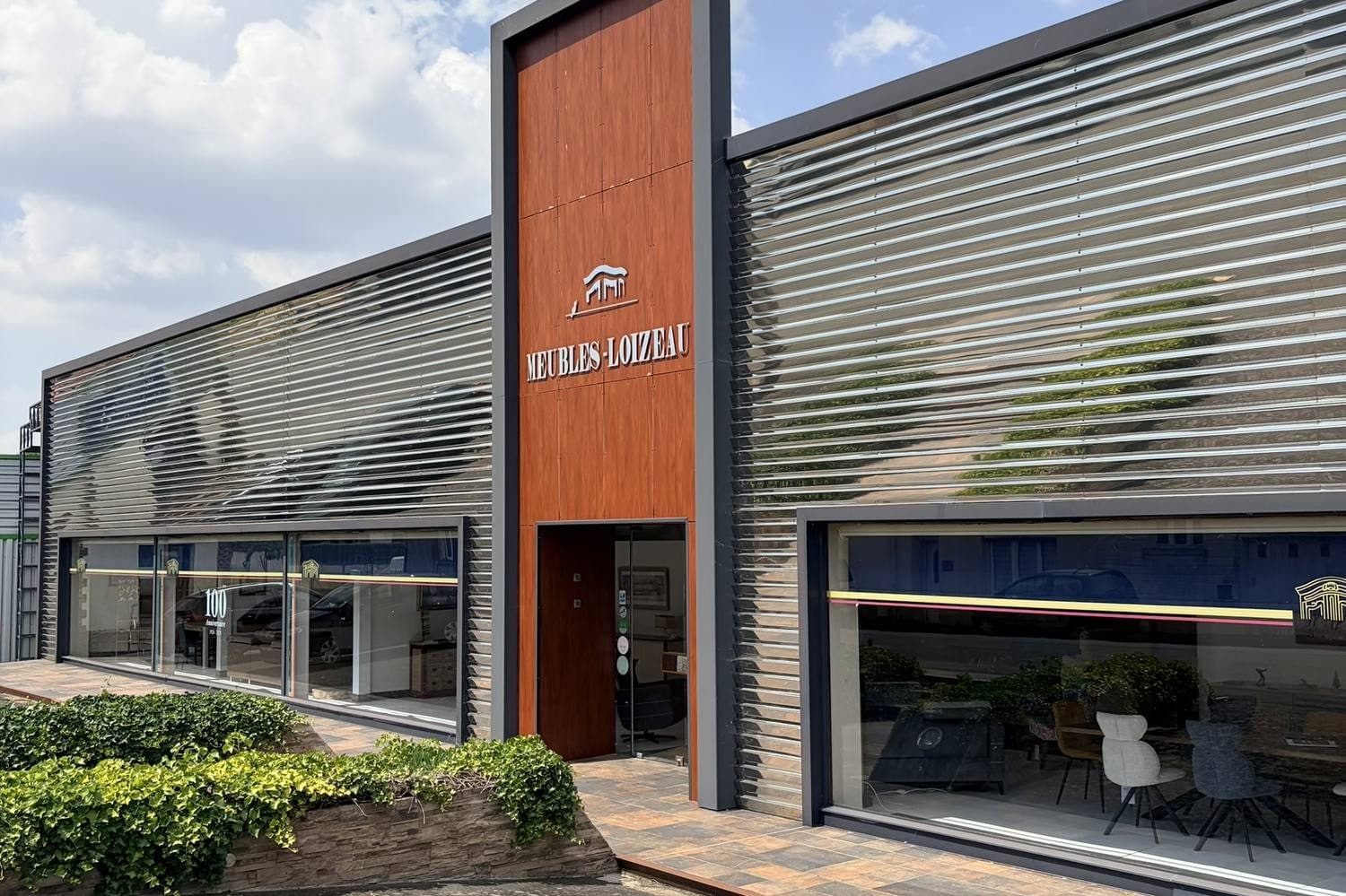
The company specialised in bespoke furniture making. Every cubic centimetre of wood leaving the workshop requires painstaking work — from meeting the client and starting the project through to delivery. The store was refreshed in 2006 and La Romagne welcomed a plane bearing this slogan:
“Aim higher with Meubles Loizeau”
The fourth generation relaunches the workshop
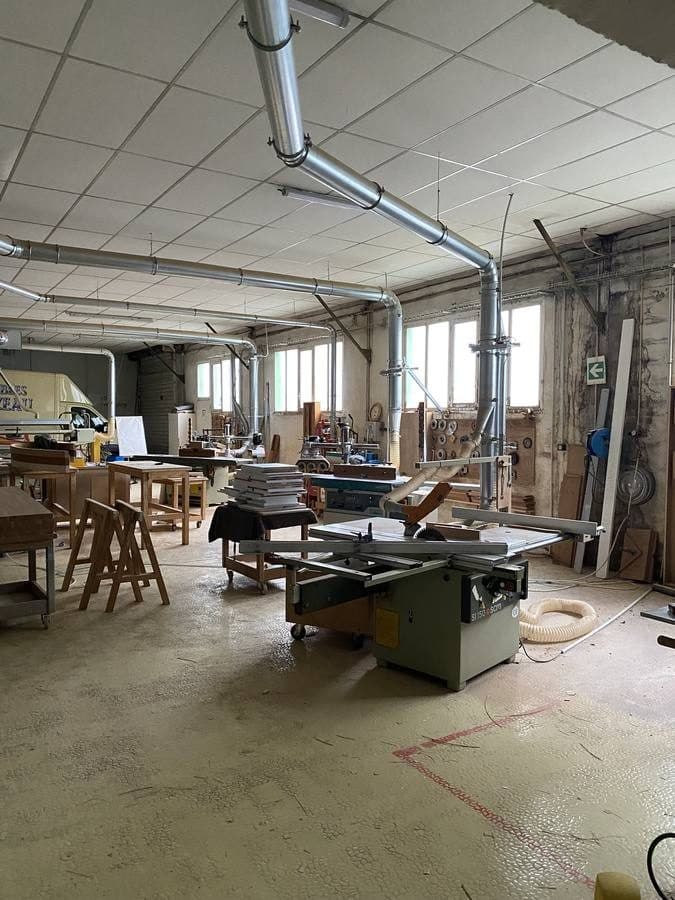
Meubles Loizeau has seen many cabinetmakers grow since 1924, among them Dominique and Sébastien, who decided to relaunch the workshop in 2025. They are joined by Jason, the fourth generation of Loizeaus. Together, they keep the know-how of the centenary Meubles Loizeau brand alive every day.
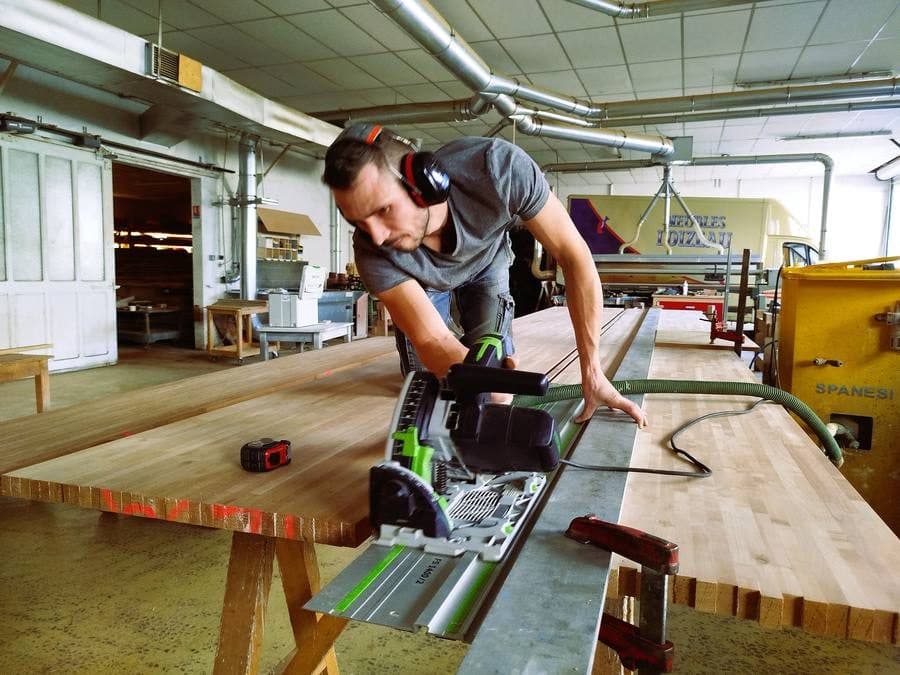
A century of passion, a new chapter
At 44 rue Nationale in La Romagne — the same address as in 1924, the same commitment to solid wood and bespoke craft. A centenary house that keeps writing its story.